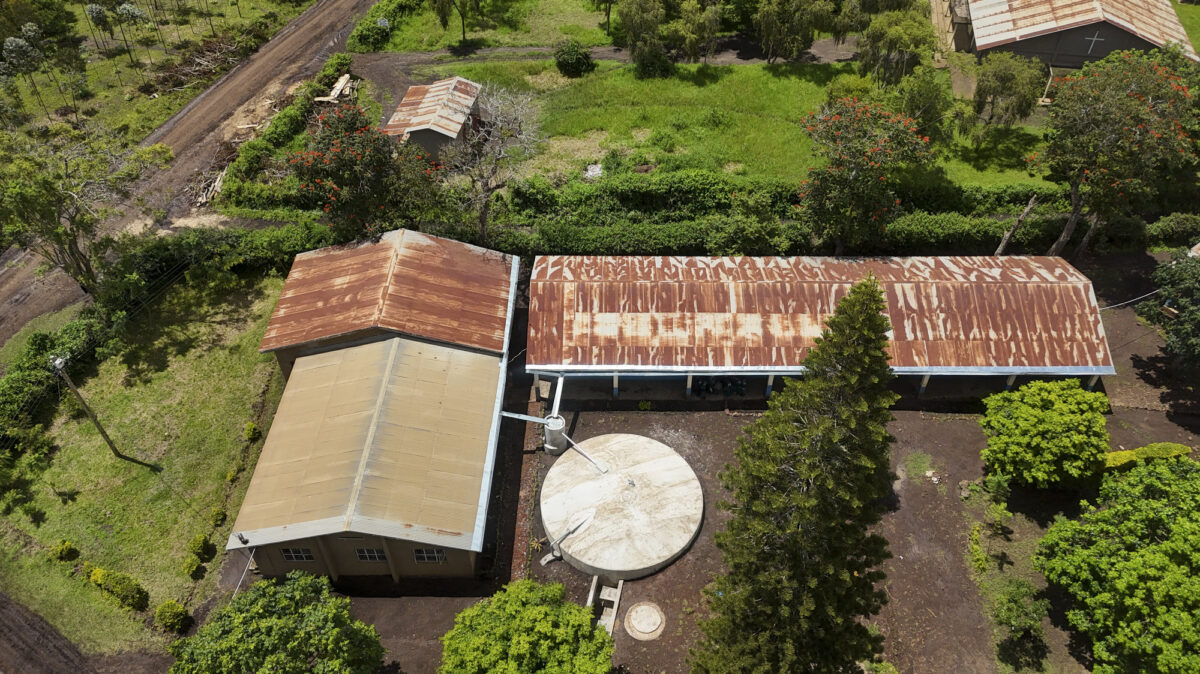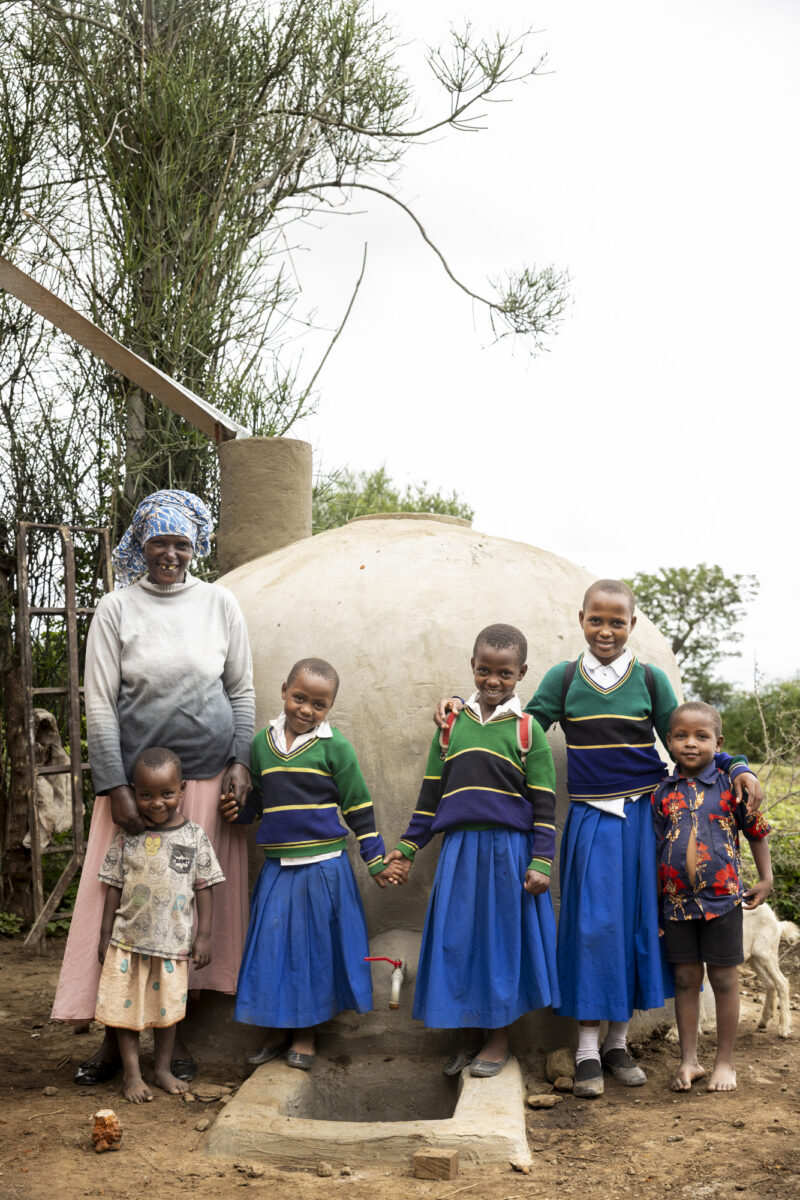

The rains have stopped, and it’s the time of year when our tanks come into their own: their reserves will keep families with clean, safe water through the dry months ahead. Our builders haven’t slowed down either. Teams are working in Lositeti and Maji ya Chai. This month’s story shows why that work matters most when the rain stops falling.
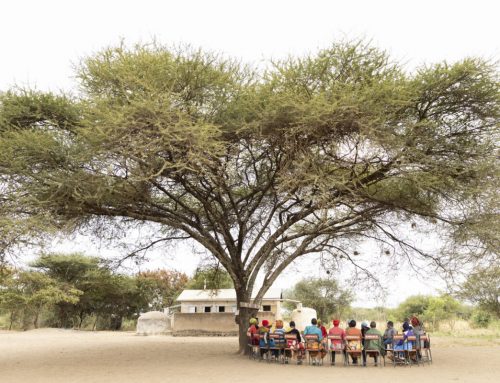
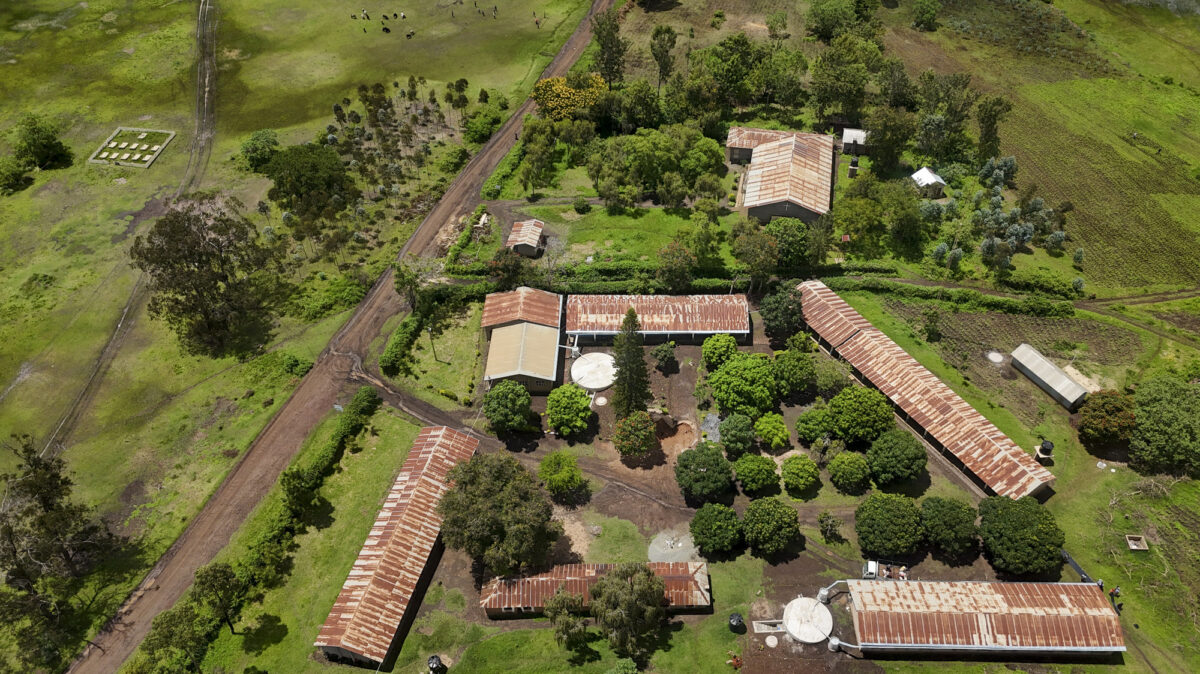
At most schools like Sakila Primary, students were required to bring water each day — for cooking, cleaning, and drinking. This often meant they would wake up early to walk to a water source; some missed school days because they had no water to bring. Even if they made it, fatigue affected learning.
Sakila Primary asked parents to chip in for plastic water storage tanks that they fill with groundwater, so that children didn’t have to bring their own. However, the water is laced with toxic quantities of naturally occurring fluoride, and the supply isn’t always reliable.
Hunger is another issue. Though primary school education is free in Tanzania, parents are required to contribute — either financially, or with food crops — to the students’ midday meal. With so many families living in scarcity, fewer than half of the students actually got fed. Hunger prevented many from coming to school — and those who arrived on a chronically empty stomach had a hard time learning. The school has a piece of land that they have tried to farm to bridge the gap, but harvests have failed.
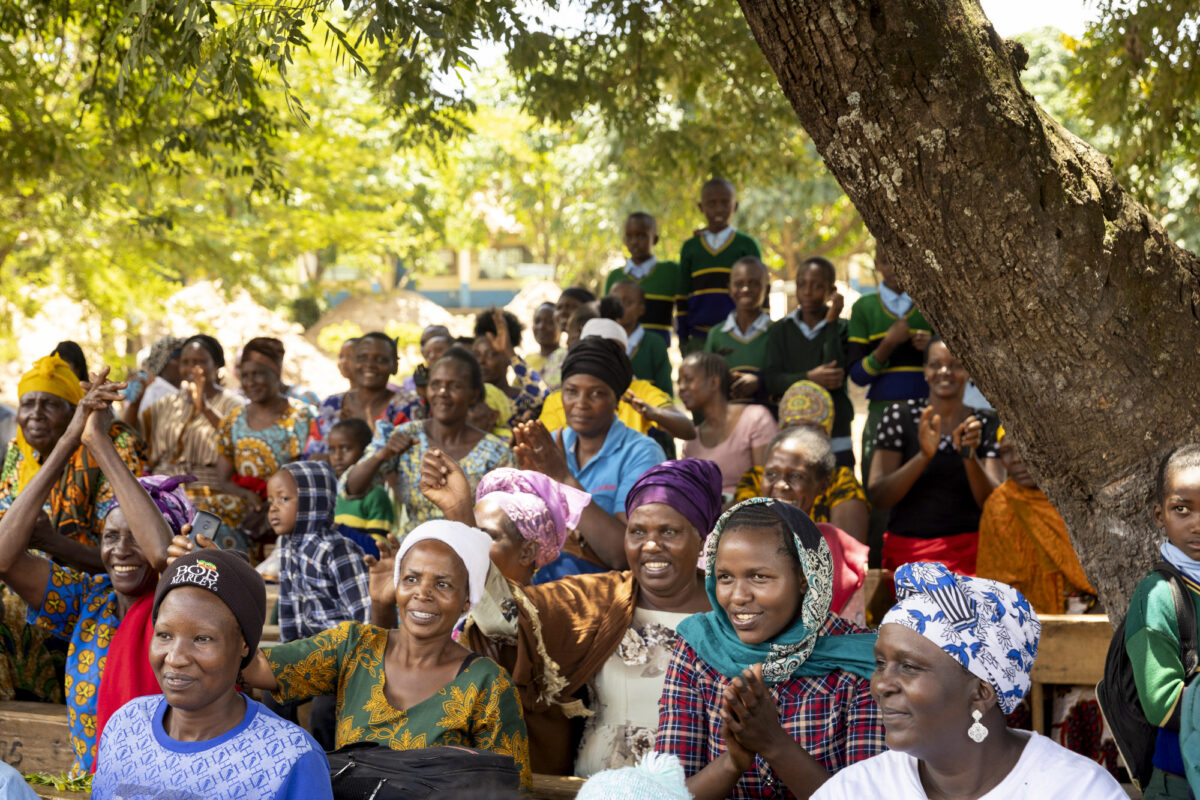
The future for Sakila looks brighter with every raincloud.
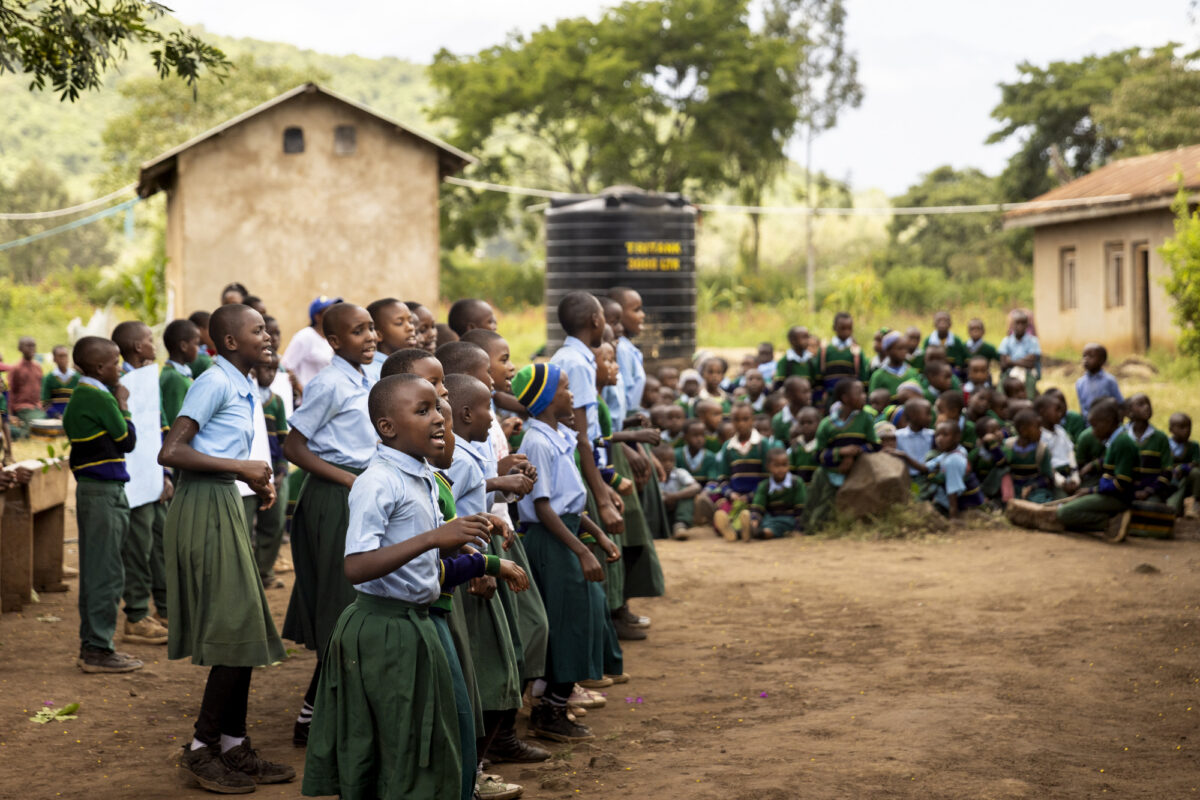
Sakila Numbers
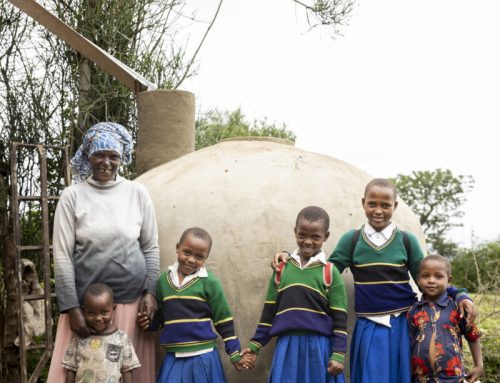
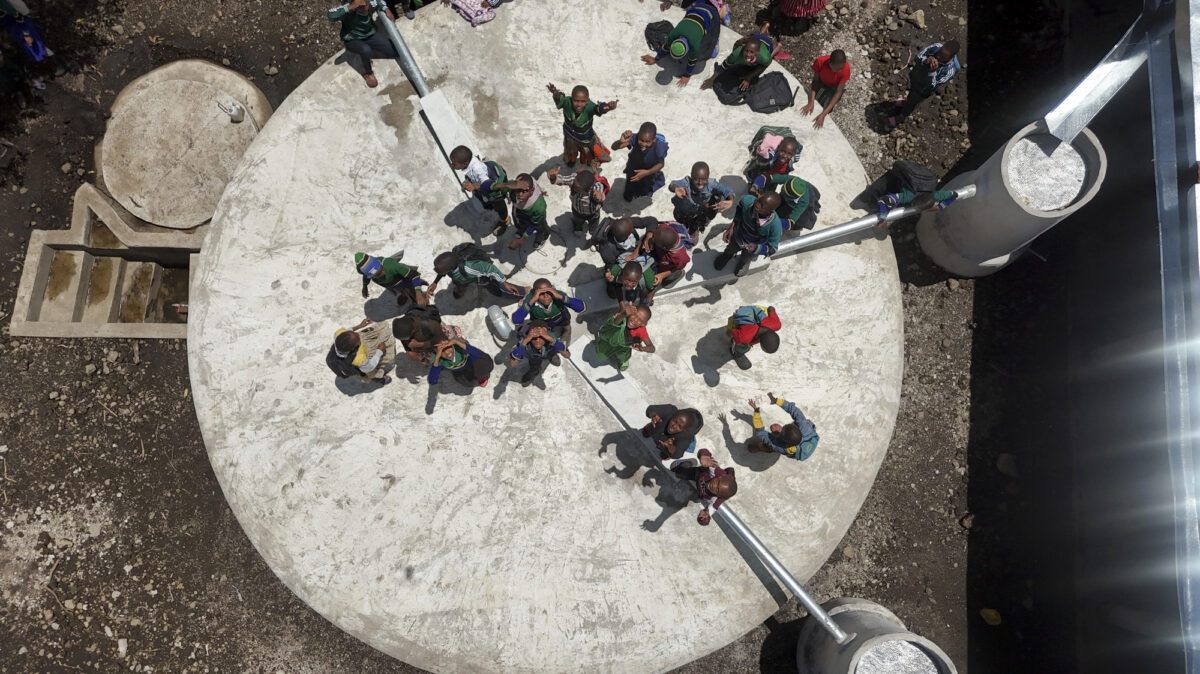
🎒 276 students now have safe water waiting for them at school
🏡 45 residential rainwater harvesting systems and greenhouses at homes in Sakila
🌳 275 trees planted, taking root
This project was made possible by the generous funding of the 31 Rotary Clubs and was hosted by the Rotary Club of Arusha and the Rotary Club of Mount Shasta.
A new Rotary grant was recently approved that allows for another 260 residential rainwater harvesting systems and greenhouses to be built in Sakila and their neighboring communities.